He was the smallest, quietest boy on the pitch — a child whose body needed medicine just to keep growing. He grew into the most prolific and creative footballer of his era, and after years of near-misses he finally lifted the one trophy that had eluded him. This is the story of Lionel Messi.
Lionel Andrés Messi was born on 24 June 1987 in Rosario, Argentina, a football-mad city on the banks of the Paraná. He was playing organised football almost as soon as he could walk, dribbling past boys far bigger than him with a low centre of gravity and a left foot that seemed to keep the ball tied to his laces. But there was a problem that no amount of talent could solve on its own: as a child he was diagnosed with a growth hormone deficiency, and his family could not easily afford the costly treatment he needed.
A napkin, a deficiency, and a move to Spain
Argentine clubs hesitated to cover the medical bills. Then FC Barcelona stepped in. According to the famous story, a club official was so convinced by the tiny prodigy that the first agreement was sketched out on a paper napkin, with Barcelona offering to pay for the treatment that would let Messi grow. At thirteen he moved across the Atlantic to join La Masia, the club's celebrated youth academy, and began the long climb through its ranks.
The heart of the greatest Barcelona
Messi rose to become Barcelona's all-time top scorer and the most decorated player in the club's history. Alongside Xavi and Iniesta in midfield, he was the spearhead of one of the greatest teams the sport has seen — a side that passed opponents into submission and won everything in sight. Across his years in Catalonia he lifted four Champions League titles and a long list of league and cup trophies, and he became LaLiga's all-time leading scorer.
The numbers piled up to almost absurd heights. He won a record eight Ballon d'Or awards, more than any player in the game's history. In 2012 he scored 91 goals in a single calendar year, a mark widely recognised as a record. Career totals are best phrased carefully, because they keep climbing, but by any measure he has scored more than seven hundred club goals and more than a hundred for Argentina — figures that once seemed beyond reach.
"You have to fight to reach your dream. You have to sacrifice and work hard for it."— Lionel Messi
The wait for Argentina — and the redemption
For all his club glory, one criticism shadowed Messi for years: he had not won a major trophy with Argentina. He lost a string of finals, the most painful being the 2014 World Cup final against Germany, where Argentina fell agonisingly short. Critics questioned whether he could ever drag his country to a title the way he did his club.
The breakthrough finally came. In 2021 he led Argentina to the Copa América, his first senior trophy with the national team. Then came the crowning achievement of his career: the 2022 World Cup in Qatar. Messi was magnificent throughout the tournament, and in a dramatic final against France — a match that swung back and forth and was ultimately decided on penalties — he led Argentina to the title at last. The boy from Rosario had completed football's redemption arc on its biggest stage.
Barcelona's gamble on a small, sickly thirteen-year-old paid off many times over: Messi went on to win more trophies for the club than any other player in its long history, and his treatment helped him grow tall enough to do it.
A new chapter, the same magic
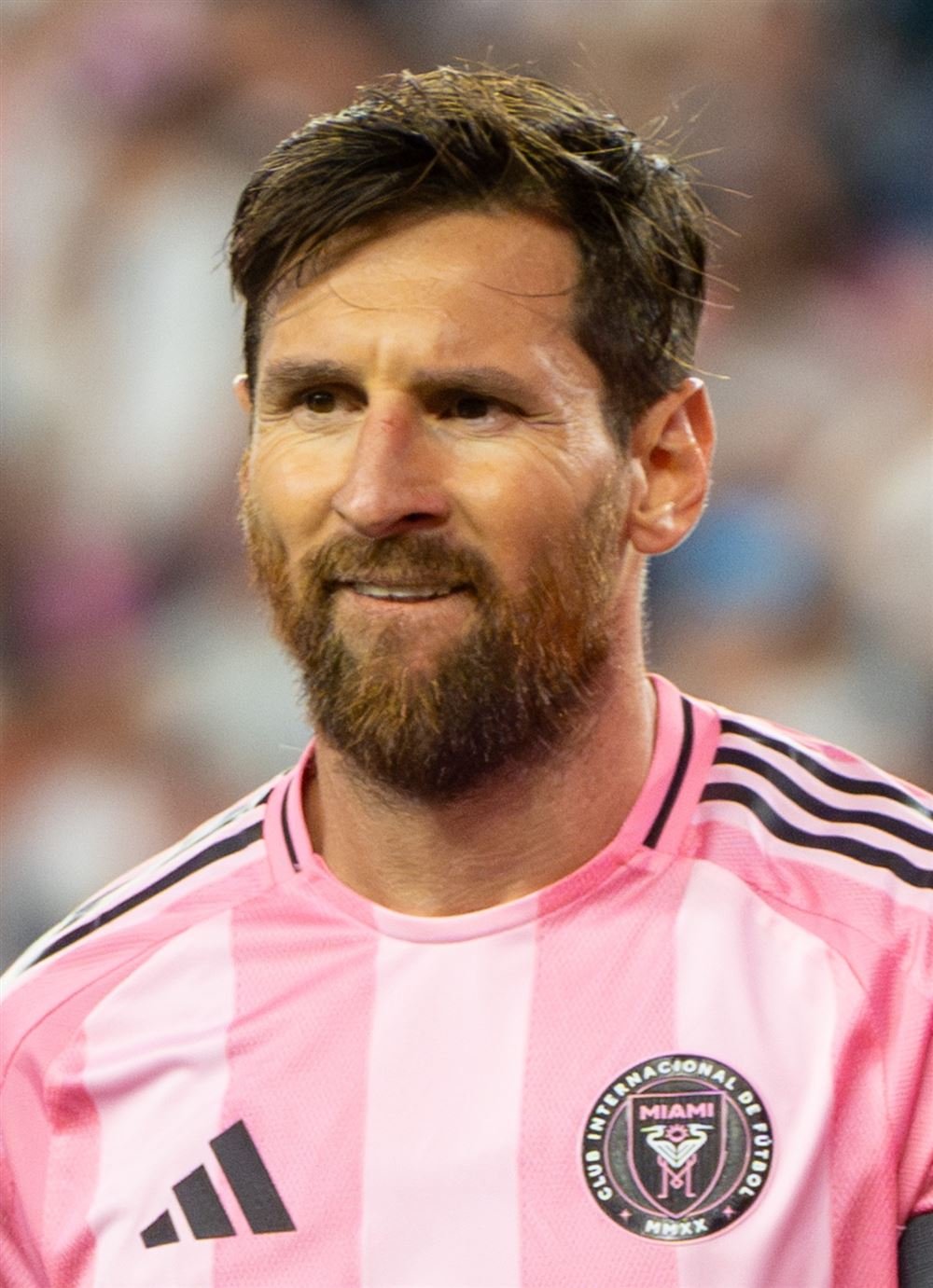
In 2021, after more than two decades in the Barcelona family, Messi left the club he loved and joined Paris Saint-Germain in France. Two years later he made another surprising move, signing for Inter Miami in Major League Soccer in 2023 and bringing his genius — and a fresh wave of attention — to football in the United States.
What never changed was the magic that defined him. The left foot, the impossibly close control, the vision to see passes that no one else imagined: these made him not just a scorer but a creator, a player who could decide a match with a single touch. From the quietest kid on the pitch to a World Cup champion, Messi rewrote the records and, in doing so, settled one of football's longest arguments about who belongs at the very top.