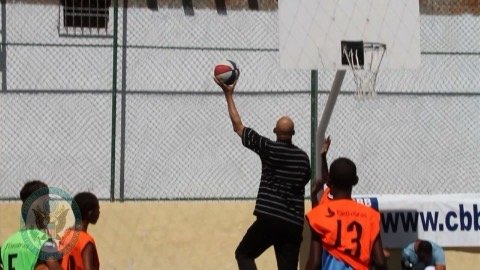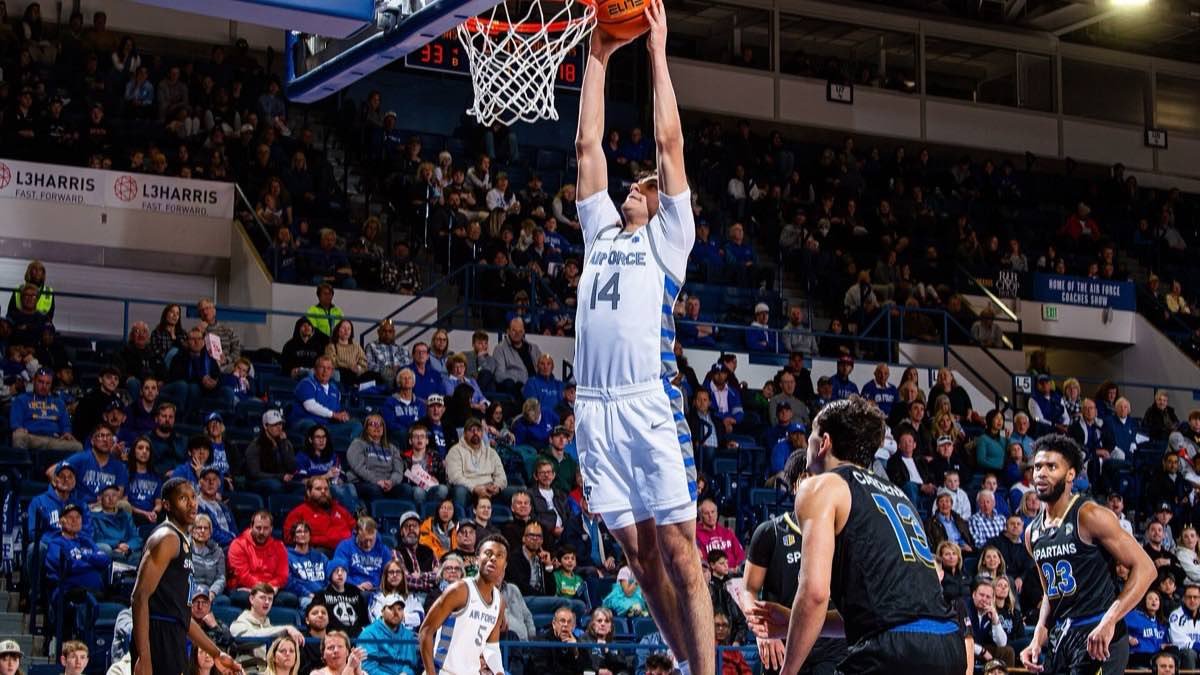

It is the simplest play in basketball: put the ball through the hoop from above. It is also the one that has been banned, blamed for property damage, turned into a televised competition and used to sell more shoes than any other action in sport. For a shot worth exactly the same two points as a lay-up, the dunk has had a remarkably eventful life.
Early basketball was played by men who could not reach the rim, with a ball that was heavy and a court that encouraged passing. Dunking appeared occasionally once players grew taller and more athletic, and it was treated as showing off - not against the rules, exactly, but not quite the done thing either.
The decade it was illegal
In 1967 college basketball in the United States banned the dunk outright. The official reasons involved player safety and equipment damage. The widely held view at the time, and since, was that the rule was aimed at one player: a young centre at UCLA who was so much better than everyone else that the committee wanted to make his life harder.
The ban lasted until 1976. Its most obvious legacy was that it forced a generation of big men to develop other close-range shots, and the most famous of those became one of the great weapons in basketball history. A rule designed to limit a player ended up handing him something better.
Breakaway rims and broken glass
As players got stronger, backboards started to break. Shattered glass meant long delays, dangerous debris and expensive repairs, and for a while it was a genuine problem rather than a highlight. The solution came in the 1970s with the breakaway rim, a hinged design that gives way under load and springs back into place.
It is one of the few pieces of basketball equipment invented specifically in response to how the game had changed, and it quietly made the modern dunk possible. Without it, every arena would still be budgeting for replacement backboards.
The contest
The first professional slam dunk contest was staged by the American Basketball Association in 1976, and the winning dunk - launched from the free-throw line - became one of the most reproduced images in American sport. The surviving league adopted the format in 1984 and turned it into the centrepiece of its mid-season weekend.
The best remembered edition came in 1988, when two of the great leapers of the era traded attempts in front of a home crowd in Chicago. Later contests have struggled with the problem of all judged events: once the obvious tricks are done, the only way to impress is to add props, which audiences enjoy less than they enjoy pure athleticism.
Two points, exactly the same as a lay-up, and worth a great deal more than two points to everyone watching.- Why the dunk refuses to be just a shot
What a dunk actually does
Coaches value it for unglamorous reasons. It is the highest-percentage shot in the sport, it cannot be blocked once the ball is above the rim, and it tends to draw fouls. A team that generates dunks is a team whose passing and movement are working, which is why analysts treat the rate of shots at the rim as a measure of offensive health.
There is also the effect on everyone standing nearby. A dunk changes the noise in a building in a way a jump shot does not, and players talk openly about using it to shift the mood of a game. That is not measurable, and nobody who has played the sport doubts it.
The term slam dunk is generally credited to the Los Angeles broadcaster Chick Hearn, who also gave basketball commentary several other phrases now used worldwide.
Shoes, posters and the business of flying
By the 1980s the dunk had become the central image in basketball advertising. A still photograph of a player at the top of a jump sells a shoe in a way that no other action in the sport does, and an entire marketing industry grew around a handful of athletes who could do it beautifully.
That commercial weight gave the dunk a cultural life well outside basketball. It turns up in music, in film, in street art and in the vocabulary of ordinary conversation, where a slam dunk means a certainty. Very few sporting actions have escaped their sport that completely.
How it is actually done
Dunking requires a combination of standing reach and vertical leap, which is why the height of the players who can do it varies so much. A very tall player may need to jump only a few inches; a guard of average height needs an extraordinary leap and precise timing, usually taking off from one foot while running at speed.
Coaches generally treat it as a by-product of athleticism rather than a skill to be trained. Players disagree, and most of the spectacular dunkers in the sport's history spent years practising takeoff points, hand positions and the specific angles that let them control the ball with one hand at full stretch.
Beyond the men's game
Dunking in women's professional basketball remains rare and is therefore an event every time it happens. The first in-game dunk in the WNBA, in 2002, was a national news story, and the players who have managed it since are counted individually rather than statistically.
That rarity is a useful reminder of what the dunk really is. It is not an efficient innovation or a tactical breakthrough. It is the moment when a sport invented to be played with the feet on the ground admits that the most exciting thing it can offer is somebody leaving it.
That is also why the rule banning it never had a chance of lasting. You can legislate against a tactic, and basketball has done so many times, but the dunk is not really a tactic. It is the clearest possible demonstration of what a human body can do, and no committee was ever going to keep it off the floor for long.