
Half-time in a European final is normally a tactical conversation. On the night of 25 May 2005, in a stadium on the outskirts of Istanbul, it was closer to a wake. What happened in the forty-five minutes that followed is still the standard against which every football comeback is measured.
The Champions League final that year brought together AC Milan, probably the most complete team in Europe, and a Liverpool side that had finished some way off the top of their own domestic league. Milan had the deeper squad, the better defenders and the recent European pedigree. The bookmakers agreed, the neutrals agreed, and for forty-five minutes the match agreed too.
Forty-five minutes of damage
Paolo Maldini scored inside the first minute, volleying in from a free kick before most of the crowd had settled. Hernan Crespo added two more before the interval, the second of them finished with a delicate lift over the goalkeeper after a pass that cut the Liverpool defence open as if it were not there. Three-nil at half-time in a European final has never been overturned before or since.
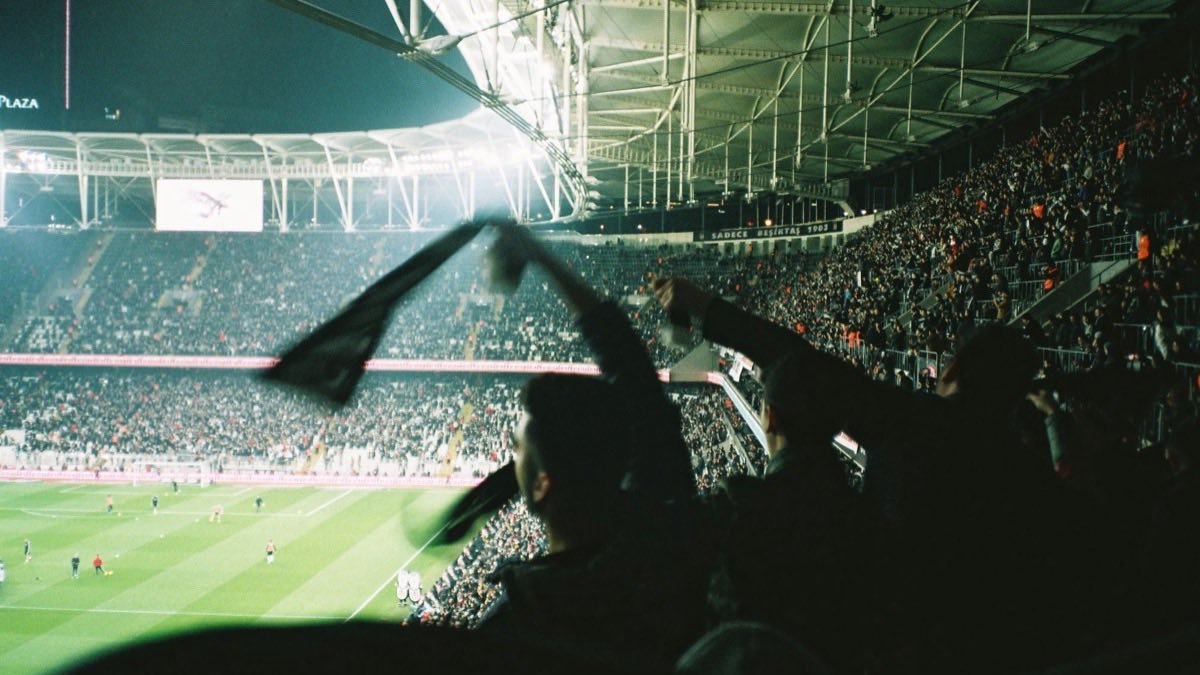
The images from that break are part of the story: Liverpool supporters in the upper tiers singing anyway, loudly and without any obvious reason, while the players walked off with their heads down.
Six minutes
Rafael Benitez changed the shape, bringing on a defensive midfielder and pushing his captain forward. Just before the hour Steven Gerrard met a cross with a looping header and ran back towards his own half with his arm raised, telling the crowd to make more noise. Two minutes later Vladimir Smicer, a substitute playing his final match for the club, struck a low shot from distance that went in off the inside of the post. Two minutes after that Gerrard was brought down in the penalty area; Xabi Alonso's spot kick was saved, and he buried the rebound.
Three-nil to three-three, inside six minutes, in a European Cup final. Milan, who had done nothing wrong, had simply stopped being able to breathe.
Nobody had ever recovered from three goals down in a European Cup final. Nobody has done it since.
The save
Extra time belonged almost entirely to Milan, and it produced the passage that decided everything. In the final minutes Andriy Shevchenko met a cross six yards out and headed it downwards; Jerzy Dudek pushed it up into the air, and Shevchenko, following in, struck the rebound from almost on the goal line. Dudek, falling the wrong way, got a forearm to it and the ball flew over the bar. It is the kind of save that looks accidental in real time and deliberate on the twentieth viewing.
During the shootout Dudek weaved about on his line with his arms and legs flailing - a deliberate imitation of Bruce Grobbelaar, the Liverpool goalkeeper who had used the same distraction in a European Cup shootout two decades earlier. One of his team-mates had suggested it to him before the kicks began.
The shootout
Serginho put the first Milan penalty over the bar. Dudek saved from Andrea Pirlo, and then, with the trophy on it, from Shevchenko. Liverpool had won their fifth European Cup, and under the competition's rules of the time that entitled them to keep the trophy permanently.
The tactical explanations came afterwards and most of them are reasonable: the change of formation worked, Milan's midfield lost control of the centre, Liverpool's pressing finally caught a tiring opponent. None of it quite accounts for what the players themselves described - the sense, somewhere around the second goal, that the match had stopped obeying normal rules.
What happened next
The two clubs met again in the final two years later, in Athens, and that time Milan won. For the players involved it was the obvious ending and it changed nothing about how the earlier night is remembered, which tells you something about how football actually values its history. A final won narrowly is a trophy. A final won after being three goals down is a story.
Several of the Liverpool players have said they struggled to describe the match afterwards, including to their own families. Gerrard remained at the club for another decade and the night became permanently attached to his name. Dudek, who had been criticised heavily before that season, left the following year having made the two most important saves in the club's modern history within five minutes of each other.
Milan, for their part, had done very little wrong. They scored three goals in a European final and lost it, which had never happened before, and their manager later described the half-hour after the match as the hardest of his career.
There is one more detail that explains the grip the match still has. Because of the competition's rules at the time, winning a fifth European Cup meant Liverpool kept the trophy itself rather than returning it. The cup that was lifted in Istanbul did not go back into storage in Switzerland; it went home with them, and a replacement was made for the following season's winners.
Why it still matters
Every dramatic recovery since has been measured against that night, usually unfavourably. It endures partly because of the scale of the deficit and partly because of the setting: a neutral stadium a long way from either city, filled with supporters who had travelled for days, at the end of a season neither club had expected to end that way.
Mostly, though, it endures because it is the clearest evidence football offers for the thing supporters tell themselves every week and rarely believe. The match is not over. Occasionally, spectacularly, that turns out to be true.