On the last day of 1967, two of the NFL's best teams met on a field frozen solid and air cold enough to be dangerous. What followed became the most famous game ever played in the cold — remembered simply as the Ice Bowl.
The 1967 NFL Championship Game was played on 31 December 1967 at Lambeau Field in Green Bay, Wisconsin. It matched the Dallas Cowboys against the Green Bay Packers, the dynasty built by coach Vince Lombardi that had already won the title several times that decade. The winner would go on to the second-ever Super Bowl. Nobody expected the weather to become the main character — but it did.
A field turned to stone
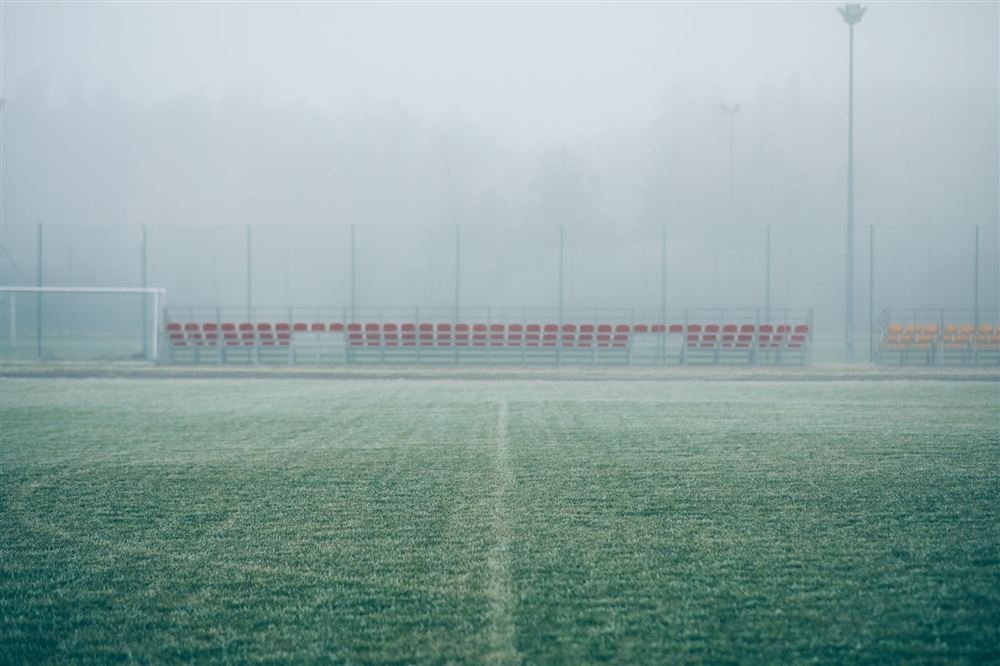
Overnight, an Arctic blast collapsed temperatures far below what anyone had planned for. By kickoff the air temperature at Lambeau Field was around minus 13 degrees Fahrenheit (roughly minus 25 degrees Celsius), and a biting wind pushed the wind chill far lower still. Green Bay had installed a heating system beneath the turf, but in the extreme cold it failed to keep the surface playable. The field froze into a sheet so hard that players struggled to get traction, and the grass became more like concrete than grass.
The conditions punished everyone. The referee's metal whistle reportedly froze to his lips on the opening play, forcing the officials to use only voice and hand signals for the rest of the game. Fans in the stands wrapped themselves in blankets, and several spectators were treated for the effects of the cold. The band could barely play, and brass instruments are said to have stuck to musicians' skin. Players warmed their hands on sideline heaters between snaps, and footing was so poor that receivers and defenders alike found it nearly impossible to cut sharply without slipping.
The game within the freezer
Green Bay started fast, building an early lead behind quarterback Bart Starr. But as the surface worsened, the Cowboys clawed back. Dallas took the lead in the fourth quarter on a halfback option pass, a trick play that caught Green Bay off guard. With time running down, the Packers trailed 17-14 and faced a long, slow march down a field where simply staying upright was a challenge.
Starr engineered a final drive that pushed Green Bay to the Dallas goal line in the closing seconds. With around 13 seconds left, no timeouts, and the ball inches from the end zone, Lombardi faced a decision: try a tying field goal on treacherous footing, or go for the win and risk being stranded if the play failed and the clock ran out.
"Run it, and let's get the hell out of here."— Vince Lombardi, on the final play call (as recounted by Bart Starr)
The sneak that ended it
Rather than hand off, Starr kept the ball himself on a quarterback sneak. Guard Jerry Kramer fired off the line and drove Dallas tackle Jethro Pugh just enough to open a sliver of space, and Starr lunged across the goal line. Green Bay won 21-17 with the clock nearly empty. The gamble had worked: had the sneak failed, the Packers might not have had time to line up again.
The victory sent the Packers to Super Bowl II, which they also won — the last championship of the Lombardi era in Green Bay. For Dallas, the loss stung deeply; the Cowboys had come within a single defensive stand of reaching the title game, and the near-miss became part of their long, hard climb toward a championship of their own. But it is the frozen championship game itself, not what came after, that lives on in football memory.
The heating coils Green Bay had buried under the field were meant to prevent exactly this. In the historic cold they could not keep up, and the moisture they drew toward the surface is often blamed for helping turn the turf into a frozen slab.
Why it still matters
The Ice Bowl endures because it combined a championship at stake, a legendary coach and quarterback, a do-or-die final play, and weather so extreme it became part of the story. It helped cement Lambeau Field's reputation as a fortress where cold and toughness are points of pride, and it gave the sport one of its defining images: players' frozen breath rising as Starr crossed the line.
Generations later, "Ice Bowl" remains shorthand for football at its most brutal and most dramatic. Rules, equipment and stadiums have all changed, but no game has truly taken its place as the coldest classic in the sport's history.