It began as a brutal experiment to settle an old argument — which martial art truly worked? — and ended up building one of the fastest-growing sports on earth. The story of the UFC is the story of how mixed martial arts grew up.
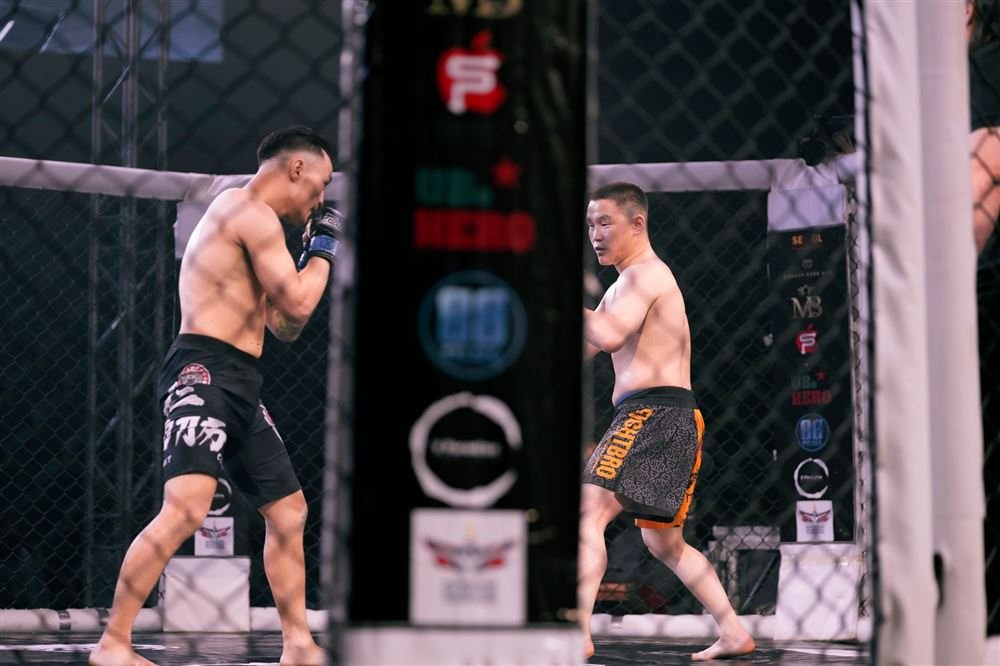
On 12 November 1993, in the McNichols Sports Arena in Denver, Colorado, a strange new spectacle was put before a curious audience. It was called the Ultimate Fighting Championship, and its premise was simple and provocative: take fighters from different disciplines — boxing, wrestling, karate, sumo, kickboxing, Brazilian jiu-jitsu — put them in a caged arena, and see which style came out on top. There were almost no rules, no weight classes and no rounds. The world had never seen anything quite like it.
UFC 1 and the answer nobody expected
The first event, UFC 1, was built as a one-night, eight-man tournament. Many assumed the biggest, strongest striker would win. Instead, the title went to a slim Brazilian who looked out of place beside the heavyweights: Royce Gracie. Representing his family's art of Brazilian jiu-jitsu, Gracie repeatedly took larger opponents to the ground, controlled them and forced submissions, winning the tournament without throwing many strikes at all.
The lesson rippled through the martial arts world. Ground fighting and grappling, long underestimated by striking-based schools, were suddenly impossible to ignore. Gracie's victory proved that technique and leverage could beat raw size and power, and it set the template for what mixed martial arts would become — a sport where a complete fighter needs skills standing up and on the canvas.
"Human cockfighting" and a near-death experience
Success brought a backlash. The early no-holds-barred format, with its bare-knuckle strikes and minimal regulation, alarmed politicians and commentators. One prominent United States senator famously campaigned against it, branding the spectacle "human cockfighting" and pressing for it to be banned. Pay-per-view carriers dropped the events, and the promotion was pushed off mainstream television in much of the country. By the late 1990s the UFC was fighting for its own survival.
"It was the wild west in the beginning. Nobody knew what mixed martial arts even was — we had to prove it could be a real sport."— A common reflection from the sport's early figures
Zuffa, unified rules and a new beginning
The turning point came in 2001, when the promotion was bought by Zuffa, a company led by businessmen Frank and Lorenzo Fertitta with Dana White installed as president. Their plan was to drag the UFC out of the shadows and make it respectable. Working with athletic commissions, the sport adopted a clear framework — later codified as the Unified Rules of Mixed Martial Arts — with weight classes, timed rounds, mandatory gloves, a referee with authority to stop fights, and a list of fouls. The cage was no longer a free-for-all; it was a regulated sporting arena.
Regulation reopened doors. Sanctioning by state commissions, beginning in places like New Jersey and Nevada, restored credibility and brought the events back toward the mainstream. But the company was still losing money, and it needed a way to reach new fans who had never watched a fight.
The 2005 reality series The Ultimate Fighter put aspiring fighters in a house and a training camp, then aired their journey to a contract. Its first-season finale is often credited as the single broadcast that turned the UFC into a viable mainstream business.
From outlaw show to global sport
That reality show, The Ultimate Fighter, debuted in 2005 and changed everything. By letting audiences follow the personalities, rivalries and effort behind the fights, it built emotional investment that highlight reels alone never could. Its live finale produced a thrilling bout that won over casual viewers, and from there the UFC's audience swelled rapidly. Stars emerged, pay-per-view numbers climbed, and the promotion began absorbing or outlasting its rivals.
Over the following years the UFC expanded its weight divisions, added women's competition, and took its events around the world, staging cards across the Americas, Europe, Asia and Oceania. Champions became household names, and a discipline once dismissed as a sideshow was now a legitimate global sport with its own stars, traditions and record books.
The arc is remarkable. In around three decades the UFC travelled from a barely legal curiosity, nearly banned and almost bankrupt, to a worldwide brand watched by millions. The argument that started it all — which style is best? — was answered long ago: the best fighters borrow from everything. That, more than any single victory, is the legacy of the cage in Denver.