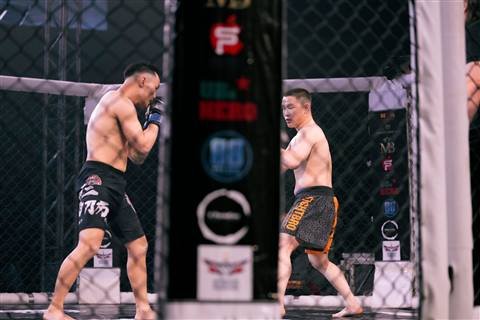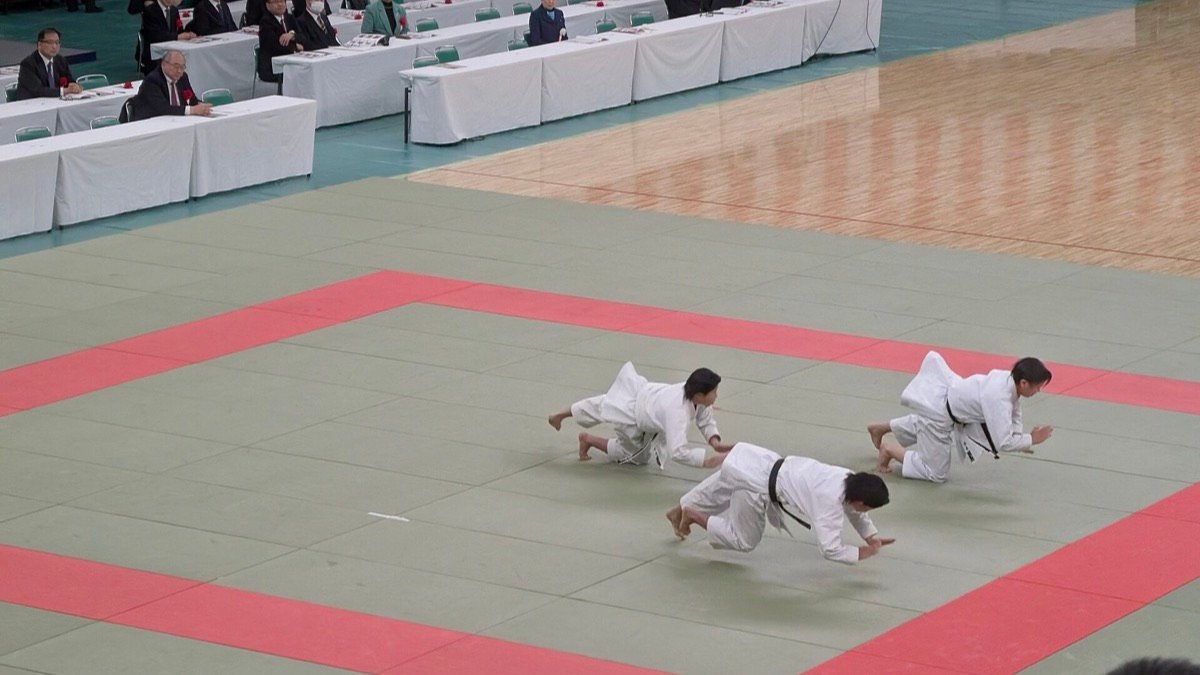

For roughly ten years the most important mixed martial arts events in the world did not happen in the United States. They happened in Japanese arenas, under different rules, in a ring rather than a cage, in front of crowds that watched in near silence and then erupted all at once.
PRIDE Fighting Championships held its first event in Tokyo in 1997 and grew into something the sport had not seen before: a promotion with orchestral entrances, enormous venues, and a presentation that borrowed as much from Japanese professional wrestling as from combat sport. It ran until 2007, when its assets were sold and the era ended abruptly.
Why Japan was ready
Japan already had an audience for staged and genuine fighting side by side. Professional wrestling was enormously popular, and several of its biggest names had publicly tested themselves in real contests. Kickboxing and shoot-style promotions had built a public that understood submissions and did not need the rules explained.
That cultural groundwork meant a new promotion could start large rather than small. PRIDE filled major arenas early, including the Tokyo Dome, and treated each event as a spectacle rather than a club show.
The rules were genuinely different
PRIDE allowed knees and kicks to a grounded opponent and did not allow elbow strikes to the head on the ground. The combination pushed the sport in a particular direction: ground exchanges were shorter and more dangerous, and the long fence-assisted control that defines much of modern competition was simply unavailable.
Rounds were structured differently too, with a long opening round followed by shorter ones, which rewarded fighters who could pace themselves and punished those who emptied the tank early.
A ring changes the fight
Without a fence there is no wall to trap an opponent against, no surface to wall-walk up, and a real possibility of fighters rolling into the ropes. Officials would physically reposition fighters to the centre, an intervention that has no equivalent in cage fighting and that could materially change a position.
The ropes also made takedown defence different. A fighter could not be backed into a corner and worn down the way he can against a fence, so wrestling-based control strategies were less effective and the sport looked more open as a result.
Take away the fence and you take away half of what modern fighters train. The Japanese era produced a different sport, not merely a different venue.What the ring changed
The Grand Prix
PRIDE's signature format was the open-weight or divisional tournament spread across several events in a single year. Fighters advanced through a bracket over months rather than in one night, which preserved the drama of a tournament without the physical impossibility of the earliest formats.
The structure created rivalries that built over an entire season and gave the promotion a narrative spine. It also produced some of the sport's most discussed contests, because a bracket forces matchups that careful matchmaking would avoid.
PRIDE used yellow cards for passivity, with a financial penalty attached. A fighter who stalled was not merely warned: part of his purse went with the card, which is a bluntly effective way of discouraging a quiet round.
Who fought there
The roster drew from everywhere: Brazilian jiu-jitsu specialists, Dutch kickboxers, Russian and eastern European grapplers, Japanese professional wrestlers and Olympic judo medallists. Kazushi Sakuraba became a national figure, and the heavyweight division in particular was regarded for years as the strongest anywhere.
The international mix was not incidental. Japanese promotions actively recruited abroad and paid well enough to attract fighters who had nowhere comparable to compete, which is why the depth was so unusual.
New Year's Eve, and the end
Year-end shows became a Japanese television tradition, with competing promotions running cards on the same night and mixing serious contests with spectacle matchups. For a few years combat sports occupied a place in Japanese broadcasting that they have never held in any other country.
The collapse, when it came, was commercial rather than sporting. Television support was withdrawn, the promotion was sold, and its best fighters dispersed. The centre of the sport moved back across the Pacific and the rules that shaped a decade of fights went with it.
A different relationship with the crowd
Japanese audiences watched in a way that surprised visiting fighters and commentators. Long technical exchanges were followed in near silence, with the noise arriving in a single wave when something decisive happened. For fighters used to constant volume, the quiet was unnerving and oddly flattering.
The presentation matched it. Entrances were long and theatrical, production values were high, and the events were built to be watched as broadcasts rather than attended as club shows. Much of what the sport now takes for granted about staging was worked out in those arenas.
Styles the rules encouraged
Because long periods of ground control were harder to sustain, fighters who could threaten constantly from open positions thrived, and so did heavy-handed strikers who did not want the fight on the floor at all. The rule set quietly selected for aggression.
It also protected certain specialists. Grapplers who fought from their backs faced a different set of dangers than they would today, with no elbows to deal with but a real threat from above that modern rules exclude. The result was a ground game that looked distinctly unlike the current one.
What survived
The legacy is partly in technique. A generation of fighters learned to defend in ways that a ring demanded and a cage does not, and the open, scrambling style of those years still shows up when coaches talk about movement on the ground.
The rest is in ambition. PRIDE demonstrated that mixed martial arts could fill a stadium, carry a soundtrack and sustain a season-long story. Every promotion that has since tried to make an event feel like an occasion is working from a template that was written in Japanese arenas.